Small cars

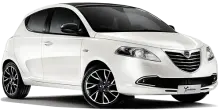
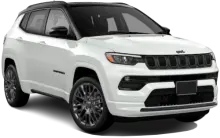
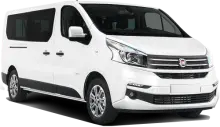
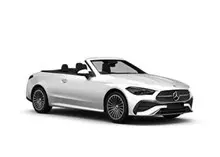

Choose the right car for your trip in Da Nang, Vietnam and book in minutes. Compare trusted rental options, find great daily rates, and secure convenient airport pick-up for your travel dates.
Arriving at a new airport can be a little confusing, especially when it comes to arranging transportation. Renting a car at Da Nang International Airport (DAD) is a convenient way to explore the city and its surroundings at your own pace. This information will help you navigate the process, understand the cost, and prepare for driving in Vietnam.
Typically, most car rental companies have their counters directly in the Da Nang Airport arrival area. They are located near the exit from the terminal, often in a designated area for ground transportation. Pay attention to signs that will direct you to the relevant counters. Some companies may offer shuttles to their offices located outside the airport, but this is less common.
Da Nang Airport usually features both international and local car rental companies. Among them you can find representatives of Avis, Budget, Hertz, Europcar, as well as local operators. It is recommended to compare offers from different companies to find the best option that suits your needs and budget.
The choice of cars for rent in Da Nang is quite wide. Here are a few popular options:
| Car Class | Approximate Cost Per Day (EUR) |
| Economy | 15 - 25 |
| Compact | 20 - 35 |
| Intermediate | 30 - 50 |
| SUV | 50 - 80 |
| Premium | 80+ |
Please note: prices may vary depending on the season and availability.
To rent a car in Vietnam, you usually need the following documents: a valid international driving permit, a passport, and a credit card for the deposit. The minimum driver age is usually 21 years old, but some companies may set higher requirements. The deposit may vary depending on the car class and insurance coverage, but usually covers the amount to cover possible damage or fines. Most major credit cards are accepted.
When renting a car, you will be offered various types of insurance. CDW (Collision Damage Waiver) covers damage to the vehicle as a result of a collision. Theft insurance protects against loss of the vehicle. Pay attention to the excess amount – this is the amount you will have to pay yourself in case of damage or theft. Clarify with the company representative what types of insurance are included in the rental cost and whether you need additional coverage.
Traffic in Vietnam can be quite chaotic, especially in large cities. Be careful and cautious on the road. The speed limit is usually limited, but compliance with the rules may not always be common. Toll roads are found on some highways, so have cash with you for payment. Parking can be a problem in the city center, so look for designated parking spaces or parking lots.
Yes, an international driving permit is usually required to rent a car in Vietnam.
Most companies accept major credit cards, as well as cash in the local currency (Vietnamese Dong).
The excess is the amount you will pay yourself in case of damage or theft of the vehicle.
Usually, crossing the border with a rented car is prohibited. Clarify this issue with the company before renting.
Usually, the car is returned to the same place where it was rented. Clarify the details with the company.
Insurance may be included in the rental cost, but additional types of coverage are often offered.
In case of an accident, it is necessary to call the police and notify the car rental company.
Yes, there are toll sections on some highways. Have cash with you for payment.
Parking in the center of Da Nang can be a problem. Look for designated parking spaces.
Be careful, traffic can be chaotic. Follow speed limits and be prepared for unforeseen situations.
Usually, a credit card is required to rent a car for a deposit. Some companies may offer alternative options.