Small cars



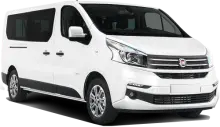


Choose the right car for your trip in Fukuoka, Japan and book in minutes. Compare trusted rental options, find great daily rates, and secure convenient airport pick-up for your travel dates.
Arriving at Fukuoka Airport is a great start to your journey in Japan. Renting a car will give you the freedom to explore this beautiful region at your own pace. This page will help you navigate the rental process, understand potential costs, and prepare for local driving conditions.
Most car rental companies have their counters directly in the arrival area of Fukuoka Airport. They are usually located in the main terminal and are easily accessible after collecting your luggage. Some companies may offer shuttle services to remote parking areas where the cars are located. Pay attention to signs in the airport to find the desired office.
The following car rental companies are usually represented at Fukuoka Airport: Nippon Rent-A-Car, Toyota Rent a Car, Nissan Rent a Car, and others. The selection of cars is quite wide, from economy models to SUVs and luxury cars. Here are a few popular options:
| Economy | 25 – 40 EUR |
| Compact | 35 – 50 EUR |
| Mid-Size | 50 – 70 EUR |
| SUV | 80 – 120 EUR |
| Luxury | 150+ EUR |
Prices may vary depending on the season and availability.
For a comfortable trip with luggage, especially if you plan to visit remote areas, it is recommended to consider options with a larger trunk volume. If you are traveling with family, an SUV or minivan will provide enough space for everyone.
To rent a car in Japan, you usually need the following documents: a valid driver's license (an international driving permit may be required depending on your country), a passport, and a credit card for the deposit. The minimum driver's age is usually 21 years old, but some companies may set higher requirements. The deposit may vary depending on the type of car and insurance coverage, but it usually ranges from 500 to 1000 EUR. Most major credit cards are accepted for payment.
When renting a car, you will be offered various types of insurance. CDW (Collision Damage Waiver) covers damage to the car resulting from a collision. Theft insurance protects against car loss. Pay attention to the excess amount – this is the amount you will have to pay yourself in case of damage or theft. Check with the company representative whether your credit card covers rental car insurance to avoid double insurance.
In Japan, traffic is left-hand. Highways are often toll roads, and special cards or cash are used to pay for passage. Parking can be expensive, especially in large cities. The speed limit on highways is usually 80-100 km/h, and in residential areas – 40-50 km/h. Be attentive to local traffic rules and respect other road users.
It depends on your country. Check the requirements for your citizenship before your trip.
Usually, Japanese Yen (JPY) and major credit cards are accepted.
This is the amount you will pay yourself in case of damage or theft of the car.
Usually, this is prohibited. Clarify the conditions with the rental company.
Use special cards (ETC) or cash.
Parking is available in the city center and near shopping centers, but it can be expensive.
Immediately notify the police and the car rental company.
This may be difficult. Some companies accept debit cards with restrictions.
Yes, the rental price usually includes VAT.
Usually, there are no restrictions, but clarify the rental conditions.
Yes, but it may be more expensive and requires prior arrangement.