Small cars



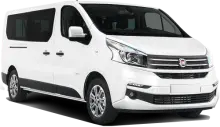


Choose the right car for your trip in Okinawa, Japan and book in minutes. Compare trusted rental options, find great daily rates, and secure convenient airport pick-up for your travel dates.
Arriving at Naha Airport (OKA) in Okinawa is a great start to your journey. Renting a car will allow you to freely explore the island, but it’s important to know what to expect during the pick-up process, what costs may arise, and how to behave on the roads of Japan. This information will help you make the rental process as simple and enjoyable as possible.
Most car rental companies have their counters directly in the arrival area of Naha Airport. They are usually located in the main terminal, near the exits to the baggage claim area and parking. Some companies may offer shuttles to remote parking lots where the cars are located. Pay attention to the signs in the airport to find the desired office.
Well-known companies such as Nippon Rent-A-Car, Toyota Rent a Car, Times Car Rental, and others are usually represented at Naha Airport. The choice of cars is quite wide, from economy models to SUVs and premium cars. Here are some popular options:
| Economy | 20 – 35 EUR |
| Compact | 30 – 45 EUR |
| Mid-Size | 40 – 60 EUR |
| SUV | 60 – 100 EUR |
| Minivan | 70 – 120 EUR |
| Premium | 100+ EUR |
Please note that prices may vary depending on the season and car availability.
To rent a car in Japan, you usually need the following documents: a valid driver's license (an international driving permit may be required depending on your citizenship), a passport, and a credit card for the deposit. The minimum driver's age is usually 21 years old, but some companies may set higher requirements. The deposit is blocked on your credit card and returned after returning the car undamaged. Most major credit cards are accepted for payment.
When renting a car, you will be offered various types of insurance. CDW (Collision Damage Waiver) covers damage to the car as a result of a collision. Theft insurance protects against car loss. Pay attention to the excess amount – this is the amount you will have to pay yourself in case of damage or theft. Clarify with the company representative what types of insurance are included in the rental cost and whether you need additional coverage.
Traffic in Japan is left-hand. Toll roads are quite common, especially over long distances. Parking can be expensive, especially in cities. The speed limit is usually limited: on highways – up to 80-100 km/h, in populated areas – up to 40-50 km/h. Be attentive to local traffic rules and respect other road users.
It depends on your country. Check the requirements for your citizenship before your trip.
Usually Visa, Mastercard and American Express are accepted.
This is the amount you will pay yourself in case of damage or theft of the car.
Usually this is prohibited. Clarify with the company before renting.
Toll roads are paid for in cash or with a special ETC card.
Parking is usually paid and can be quite expensive.
Immediately notify the rental company and the police.
Usually not, but some companies may offer alternative options.
Yes, VAT is usually included in the rental cost.
Yes, but this usually involves an additional fee.
Prepare your booking confirmation and documents for receiving the car.