Small cars
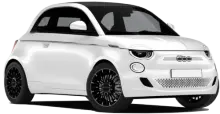
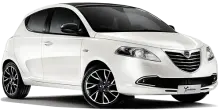
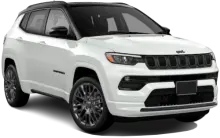
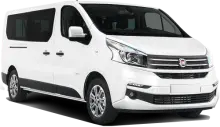
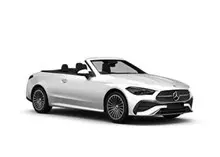
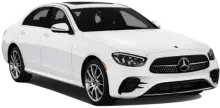
Choose the right car for your trip in Sharm el Sheikh, Egypt and book in minutes. Compare trusted rental options, find great daily rates, and secure convenient airport pick-up for your travel dates.
Arriving in Sharm el-Sheikh is a great start to your vacation! Renting a car will allow you to freely explore this beautiful region, but it is important to know what to expect when picking up the car, what documents are needed, and how to behave on the roads of Egypt. This information will help you make the rental process as simple and enjoyable as possible.
Most car rental companies have their counters directly in the arrival area of Sharm el-Sheikh Airport. They are usually located in the main terminal, near the baggage claim area. Look for signs to “Car Rental” or “Rental Cars”. Some companies may offer shuttles to their offices located slightly further from the airport.
The following companies are usually represented at Sharm el-Sheikh Airport: Avis, Budget, Europcar, Hertz, Sixt, and others. The choice of cars is quite wide, from economy options to SUVs and luxury cars. Here are some popular models that can often be found:
| Car Class | Approximate Cost per Day (EUR) |
| Economy (Fiat 500, Renault Twingo) | 20 – 35 |
| Compact (Volkswagen Polo, Toyota Yaris) | 30 – 50 |
| Mid-Size (Toyota Corolla, Hyundai Elantra) | 40 – 65 |
| SUV (Nissan Qashqai, Hyundai Tucson) | 60 – 100 |
| Luxury (Mercedes-Benz C-Class, BMW 3 Series) | 120+ |
Please note that prices may vary depending on the season and car availability.
You will need the following documents to rent a car: a valid driver's license (an international driver's license may be useful, although a national license is often sufficient), a passport, and a credit card in the driver's name. The minimum age for rental is usually 21 years, but some companies may require 23 or 25 years. A deposit will most likely be required when picking up the car, which will be blocked on your credit card. The deposit amount depends on the car class and insurance coverage. Credit cards (Visa, Mastercard) are usually accepted for payment. Cash may be accepted, but not always.
You will be offered various types of insurance when renting a car. CDW (Collision Damage Waiver) covers damage to the car as a result of a collision. Theft Protection (TP) protects against theft. It is important to pay attention to the amount of the excess – this is the amount you will have to pay yourself in case of damage or theft. Ask the company representative if you can reduce the excess for an additional fee. Also, make sure your insurance covers travel abroad.
The roads in Egypt can be quite busy, so be careful and cautious. The speed limit on highways is usually 120 km/h, but it is often not observed. In cities, the speed limit is 50-60 km/h. Parking can be a problem, especially in city centers. Some roads may have toll sections. Be prepared for drivers to use the horn quite often.
Driver's license, passport and credit card in the driver's name.
Not always, but it may be useful.
Usually 21 years, but some companies require 23 or 25.
This is the amount you will pay yourself in case of damage or theft of the car.
Yes, for an additional fee.
CDW (collision damage coverage) and Theft Protection.
Yes, especially in city centers.
Yes, some roads have toll sections.
Credit cards (Visa, Mastercard) are usually accepted.
Usually in the arrival area, near the baggage claim.
Yes, it is a convenient way to guarantee the availability of the car.
Immediately notify the rental company and fill out the necessary documents.