Small cars



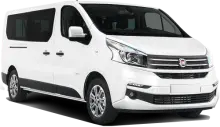


Choose the right car for your trip in Surabaya, Indonesia and book in minutes. Compare trusted rental options, find great daily rates, and secure convenient airport pick-up for your travel dates.
Arriving at Juanda International Airport (SUB) in Surabaya, Indonesia, opens up wonderful opportunities to explore this beautiful region. Renting a car is a convenient way to see everything that Java Island has to offer, but it is important to be prepared for the car pickup process, potential costs, and the specifics of local driving. This information will help you make the rental process as simple and enjoyable as possible.
Typically, most car rental offices are located directly in the airport arrival area or nearby. They are often located in designated areas accessible on foot or by free shuttle. Pay attention to signs in the airport to find the desired office. Usually, both international and local operators are represented.
The choice of cars at Juanda International Airport is quite wide. Here are some popular options:
| Car Class | Approximate Cost per Day (EUR) |
| Economy | 15 - 25 |
| Compact | 20 - 35 |
| Intermediate | 30 - 50 |
| SUV | 50 - 80 |
| Minivan | 60 - 100 |
| Premium | 80+ |
Please note that prices may vary depending on the season and car availability.
To rent a car in Indonesia, you will need the following documents: a valid driver's license (an international driver's license is recommended), a passport, and a credit card for the deposit. The minimum driver age is usually 21 years old, but some companies may require 23 or 25 years. The deposit is blocked on your credit card and returned after the car is returned undamaged. Most major credit cards are accepted for payment.
When renting a car, you will be offered various types of insurance. CDW (Collision Damage Waiver) covers damage to the car in the event of an accident. Theft insurance protects against car loss. Pay attention to the excess amount – this is the amount you will have to pay yourself in case of damage or theft. Read the insurance terms carefully and ask the company representative about all the details.
Driving in Indonesia may differ from what you are used to. Traffic can be chaotic, especially in large cities. Be careful of motorcycles and scooters, which often move between lanes. There are toll sections on highways where payment is made in cash. Parking can be a problem in large cities, so plan ahead. The speed limit on highways is usually 80-100 km/h, but drive carefully and consider road conditions.
An international driver's license is recommended, although some companies may accept only a national license.
Usually, payment is made in the local currency (Indonesian Rupiah) or in US dollars, but most companies accept credit cards.
The excess is the amount you will pay yourself in case of damage or theft of the car.
Usually, crossing the border with a rented car is prohibited. Clarify this issue with the rental company.
The deposit is blocked on your credit card and returned after the car is returned undamaged. The refund period may vary.
Insurance is usually offered as an additional option. The basic rental price may not include insurance.
In case of an accident, it is necessary to call the police and notify the rental company.
Yes, there are toll sections on some highways, payment is made in cash.
Compare prices from different companies and book in advance, especially during peak season.
In most cases, a credit card is required for a deposit to rent a car.
Some companies may set mileage restrictions. Clarify this issue when booking.