Small cars
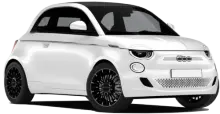
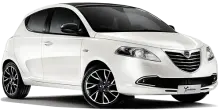
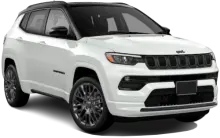
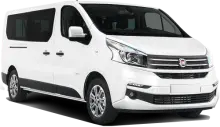
Choose the right car for your trip in Tianjin, China and book in minutes. Compare trusted rental options, find great daily rates, and secure convenient airport pick-up for your travel dates.
Arriving at Tianjin Binhai International Airport (TSN) opens up opportunities to explore this dynamic region of China. Renting a car is a great way to see the city and its surroundings at your own pace. This page will help you navigate the rental process, understand the costs, and prepare for local driving conditions.
Typically, most car rental offices are located in the airport arrival area, often in designated zones or within the terminals. Look for signs with company logos. Some companies may offer shuttle services to remote parking areas where the vehicles are located. Check the location of the specific office of the company you have chosen in advance.
Tianjin Binhai Airport usually features car rental companies such as Avis, Hertz, Budget, Enterprise, and other local operators. The choice of vehicles is quite wide, from economy models to SUVs and luxury cars. Here are some popular options:
1. Economy class (e.g., Nissan March, Chevrolet Sail)
2. Compact class (e.g., Toyota Corolla, Hyundai Elantra)
3. Mid-size class (e.g., Volkswagen Magotan, Ford Focus)
4. SUV (e.g., Toyota RAV4, Honda CR-V)
5. Full-size car (e.g., Audi A6, BMW 5 Series)
6. Minivan (e.g., Buick GL8, Honda Odyssey)
7. Premium class (e.g., Mercedes-Benz C-Class, BMW 3 Series)
8. Electric car (e.g., BYD Qin EV, Tesla Model 3)
9. Off-road vehicle (e.g., Jeep Wrangler)
10. Pickup truck (e.g., Ford F-150)
Prices can vary significantly depending on the season, availability, and rental duration. Here are approximate prices:
| Car class | Approximate price per day (EUR) |
|---|---|
| Economy | 20 - 30 |
| Compact | 30 - 45 |
| Mid-size | 45 - 60 |
| SUV | 60 - 90 |
| Luxury | 100+ |
Please note that prices may change depending on the season and availability.
To rent a car in China, you usually need the following documents: a valid driver's license (an international driving permit may be required), a passport, and a credit card for the deposit. The minimum driver's age is usually 21 years old, but may vary depending on the company. Some companies accept cash payments, but a credit card is the most convenient way to pay and make a reservation.
When renting a car, you will be offered various types of insurance. CDW (Collision Damage Waiver) covers damage to the vehicle as a result of a collision. TAF (Theft Protection) protects against theft. Pay attention to the amount of the deductible (excess) – this is the amount you will have to pay yourself in case of damage or theft. Read the insurance terms carefully and ask the company representative about all the details.
Driving in China may differ from what you are used to. Remember the traffic rules, observe speed limits (usually 80-120 km/h on highways), and be careful of other road users. Toll roads are common, so have cash with you or use electronic payment systems. Parking can be difficult in large cities, so plan ahead.
Usually, yes. It is recommended to have an international driving permit along with your national driving license.
It is most convenient to pay for the rental with a credit card. Some companies accept cash.
This is the amount you must pay yourself in case of damage or theft of the vehicle.
Usually, crossing the border with a rented car is prohibited. Clarify this issue with the company before renting.
Most highways are toll roads. Payment is made in cash or with electronic payment systems.
In large cities such as Tianjin, parking may be limited. Plan ahead.
Immediately notify the car rental company and the police. Obtain a copy of the accident report.
Usually, the rental price is quoted excluding VAT. Clarify this issue with the company.
Yes, most companies offer online booking.
Usually, a passport and driver's license are sufficient.
Some companies may set mileage restrictions. Clarify this issue before renting.