Small cars



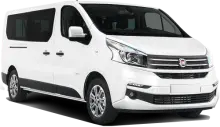


Choose the right car for your trip in Chisinau, Moldova and book in minutes. Compare trusted rental options, find great daily rates, and secure convenient airport pick-up for your travel dates.
Renting a car at Chisinau Airport (RMO) is a practical choice for travelers who want to gain freedom of movement immediately after arrival, without depending on public transport schedules, and to comfortably plan trips around Moldova. This format is suitable for tourists, business travelers, families with luggage, and those who want to use their time efficiently without unnecessary transfers.
Before booking, it’s important to understand what documents are required, how the deposit works, what is included in the insurance, where the car is issued, and what additional costs may arise after the rental is completed. These factors most often determine whether the rental will be truly convenient and profitable, or simply attractive at the price viewing stage.
For many travelers, renting a car at RMO is primarily about controlling the route. If you have several locations planned, trips outside of Chisinau, business meetings, or a family scenario with limited time, having your own car often gives you more freedom than a combination of taxis and public transport.
A car after arrival is especially useful for those who plan to travel not only around Chisinau but also to other regions of the country. If you have a busy itinerary, several stops, or a family trip, having your own car often gives you more control over your schedule.
Rental at the airport itself is also convenient for passengers with luggage, late arrivals, or a tight schedule. If you want to minimize intermediate steps after your flight, picking up a car at RMO can be much more practical than a separate transfer to the city and then searching for a car there.
Rental is particularly justified when the trip is not limited to a single destination. If you need to travel a lot, work on a tight schedule, or visit several places in a short period, a car often turns from a simple convenience into a real time-saving tool.
Before finalizing the rental, it’s worth looking not only at the initial daily rate but also at the entire cost structure. The tariff may not include an additional driver, full coverage, special equipment, or flexible return conditions.
It’s also worth paying attention to the car pick-up location. Some companies operate directly at the airport, while others operate through a separate pick-up point. This is not always a problem, but it’s better to understand this logistics before arrival, especially if you are traveling with children or after a long flight.
Another important step is not to evaluate the offer solely based on the number displayed. If you haven’t checked the deposit, insurance rules, fuel policy, or return conditions, an initially attractive rate may turn out to be far from the best in actual use.
| What to Check | Why it’s Important | When to Check |
|---|---|---|
| Driver’s Documents | Without them, the car may not be issued | Before Booking |
| Deposit | Affects the available budget | Before Payment |
| Insurance | Determines your risks and future expenses | Before Confirming Booking |
| Pick-up Location | Affects convenience after arrival | Immediately After Choosing a Company |
Prices for rental at Chisinau Airport depend on the season, car class, insurance, demand, and booking period. For a short visit, you can find relatively affordable starting rates, but the actual budget is often higher if you consider the deposit, coverage, and related expenses. Therefore, it’s important for a passenger to see not the minimum advertised figure, but the working price range.
| Car Class | Approximate Price Per Day | When it’s Suitable | What to Consider |
|---|---|---|---|
| Economy / compact | approximately 25–45 € | Short city trips, solo or a couple | Lowest price, but less space for luggage |
| Mid-size | approximately 45–75 € | Tourist routes, daily trips | Better balance between comfort and cost |
| SUV / spacious option | approximately 70–120+ € | Families, more luggage, longer routes | Higher price, but more convenience and capacity |
| Premium / business | approximately 110–220+ € | Business trips, increased comfort | Often accompanied by a higher deposit |
Prices are approximate and may vary depending on the season, date, demand, company, and rental conditions.
The final cost is influenced not only by the car class and the number of rental days. The season, booking time, insurance coverage level, flexibility of conditions, and a set of additional options also matter. The same class of car can cost completely differently depending on the tariff and the actual structure of the service.
Therefore, when comparing, it’s useful to look not only at the daily rate but also at what is included in the tariff. Sometimes an offer with a higher base price turns out to be more profitable if it has more transparent conditions, better insurance, and less risk of unforeseen surcharges.
The real budget for car rental consists not only of the daily rate. It can also include a deposit, extended insurance, an additional driver, a child seat, fuel, parking, and other related expenses. These often determine whether the rental remains profitable for your route.
Therefore, it’s useful to evaluate not only the starting figure in the display but also the complete cost model. Sometimes a more expensive tariff with more transparent conditions and better coverage turns out to be more profitable than the cheapest offer with the risk of surcharges on the spot.
| Cost Item | What it Means | When it’s Especially Important |
|---|---|---|
| Deposit | Amount blocked on the card during the rental | When the trip budget is limited |
| Insurance | Your level of financial protection | For a new country or an active route |
| Fuel / parking | Related expenses during the trip | If you move a lot in the city or regions |
| Additional options | Second driver, child seat, other equipment | Families, longer routes |
Economy cars are well-suited for short routes and trips without a lot of luggage. A compact or mid-size class often becomes the most balanced choice for couples and tourists. A more spacious car or SUV is appropriate for families, longer trips, and those who want more comfort on the road.
It’s not always profitable to focus only on the lowest price. If the car turns out to be too cramped for luggage or passengers, such savings will quickly turn into inconvenience. That’s why it’s worth choosing the car class based on the travel scenario, not just the advertised rate.
It’s also useful to base it on the actual route. If you have a short city trip, a compact car is sufficient. If you plan several passengers, suitcases, and multiple destinations in a day, a larger car will often be a more logical choice even at a higher price.
During rental, the key question is not only the availability of insurance but also what risks it covers. The excess shows what part of potential expenses you may take on yourself in the event of an incident. For many travelers, this is more important than the difference in the starting price.
If your priority is peace of mind and predictability, it’s better to evaluate not only the daily rate but also the entire package of conditions: the amount of the excess, the scope of coverage, and the company’s rules in case of damage to the car.
A simple principle here is: the minimum price does not always mean the minimum expenses. If the tariff is cheaper but leaves you with higher responsibility in case of a problem, such savings may be conditional.
After arrival, it’s best to act consistently: find the pick-up point, prepare documents, check the terms of the agreement, and inspect the car before departure. Don’t rush to start your journey – pay attention to the condition of the car and whether all visible details are already noted in the documents.
This is a simple but important action. Careful inspection of the car before starting often helps avoid disputes upon return and gives you more control over the situation throughout the rental.
If the pick-up is organized not directly in the terminal but at a separate point, it’s better to know in advance how to get there. For a traveler after a night flight or a family trip, this may seem like a small detail at first glance.
If your trip is not limited to a single route from the airport to the hotel, a car often turns out to be more practical. For several trips, business meetings, or an active tourist day, your own car gives you more freedom and allows you to be less dependent on external transport.
It’s worth evaluating not only the rental cost per day but also the overall effect: convenience of travel, time, route freedom, and comfort with luggage. In many cases, this is what makes rental worthwhile.
| Scenario | What to Choose | Why |
|---|---|---|
| Short trips around the city | Economy or compact | Sufficient comfort without extra costs |
| Family with luggage | Mid-size or spacious option | More space and convenient logistics |
| Business trip | Comfortable mid-size | Balance of image, comfort and budget |
| Several locations per trip | Car with more comfort | More convenient for an active route |
For the user, it’s important not just to see a list of cars but to understand when rental is really justified. If your route is simple and limited to a short transfer, a taxi may be more logical. But if you need to travel a lot, combine work and personal tasks, or not depend on external transport, your own car often wins.
The best approach is to start not from the advertised price but from the real benefit for the trip. This helps you choose an option that will be not only affordable but truly convenient.
Compare offers not only by the starting rate but also by documents, insurance, deposit, pick-up location, and the format of your route. If you need car rental at RMO without any surprises, choose an option that matches your trip logically, not just by the number displayed.
A properly selected car will help you travel more comfortably around Chisinau and the region, better control your time, and make your entire trip more flexible. That’s why booking should start with the rental conditions and real convenience, not just the minimum price.
Usually, you need a driver’s license, an identity document, and a bank card in the name of the main driver. Before booking, it’s also worth checking the requirements for an international license, driver’s age, and deposit blocking conditions to avoid problems when receiving the car. If you arrive late or have a tight schedule, it’s better to make sure that all documents exactly meet the company’s requirements before your flight.
The minimum age depends on the company, car category, and tariff conditions. Therefore, before payment, it’s better to check not only the basic age requirement but also possible surcharges for young drivers or restrictions on certain car classes. Sometimes an inexpensive rate looks attractive until additional age fees or restrictions on car selection appear.
Excess is the part of the driver’s responsibility in case of damage or other insured event. That’s why when comparing tariffs, it’s important to look not only at the daily rate but also at the real financial risk you are taking. If peace of mind is important to you on your trip, it’s sometimes better to immediately choose a tariff with better coverage than just a lower base price.
This depends on the type of your documents and the rules of the specific rental company. To avoid being refused a car after arrival, it’s better to clarify this requirement before booking, not already at the pick-up counter. For an international trip, this is one of those details that’s better to take care of in advance, even if the rest of the tariff conditions suit you perfectly.
Usually, the deposit is blocked on the card of the main driver for the duration of the rental and returned after the rental is completed according to the company’s conditions. That’s why before booking, it’s worth checking not only the deposit amount but also how long it may remain blocked. If the trip budget is limited, this may be more important than the daily rental rate itself.
This depends on your bank, insurance program, and the conditions of the specific rental tariff. Before booking, it’s useful to check not only the fact of coverage but also what risks it covers and how it relates to the rental company’s conditions. If controlling expenses in the event of an incident is important to you, it’s better to understand this before payment, not after receiving the car.
Even before the trip, it’s useful to evaluate not only the rental tariff itself but also related expenses: fuel, parking, possible road tolls, and the overall logistics of the route. This helps you understand the real cost of rental, not just the starting price in the display. If the route is active and includes several locations, these expenses can be significant part of the total budget.
The pick-up location depends on the company: it can be a counter at the airport or a separate point with a short transfer. That’s why before the trip, it’s worth knowing exactly where to go after receiving your luggage, so as not to waste time after your flight. For a late arrival, a family trip, or a tight schedule, this detail may be more important than it seems at the booking stage.
In this situation, it’s important to act according to the rental company’s instructions and not delay reporting the incident. That’s why it’s useful to understand in advance what contacts are needed, how the case is processed, and what coverage conditions apply to your tariff. The better you know the procedure in advance, the less stress there will be if something happens during the rental.
Such trips usually require separate approval or may not be available at all. If your route goes beyond standard use in the country, you need to check this before booking to avoid violating the rental conditions. For an international route, this detail can affect not only the availability of the car but also the cost and insurance coverage.
Yes, it’s useful to do this even before the trip, especially if you plan to move around the city actively. For a traveler, it’s important not only the formal rules but also the overall readiness for local logistics, possible costs, and route convenience. If parking will be difficult or expensive at your main destinations, this can affect both the choice of car and the overall benefit of the rental.