Small cars



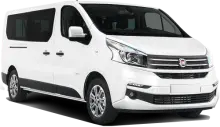


Choose the right car for your trip in Guwahati, India and book in minutes. Compare trusted rental options, find great daily rates, and secure convenient airport pick-up for your travel dates.
Arriving at Lokpriya Gopinath Bordoloi International Airport (GAU) in Guwahati, India, opens up wonderful opportunities to explore the region. Renting a car is a convenient way to see everything this corner of India has to offer, but it’s important to be prepared for the car pickup process, potential costs, and the specifics of local driving. This information will help you make the rental process as simple and enjoyable as possible.
Typically, most car rental companies have their counters directly in the airport arrival area. They are located in the main terminal, often near the exit from the baggage claim area. Some companies may offer shuttles to remote parking lots where the cars are located. Pay attention to signs in the airport to find the desired counter.
The following car rental companies are usually represented at GAU Airport: Hertz, Avis, Europcar, and local Indian companies. The availability of specific companies may change, so it is recommended to check current information before your trip.
The choice of cars for rent at GAU Airport is quite wide. Here are some popular options:
| Car Class | Approximate Cost per Day (EUR) |
| Economy | 20 - 30 |
| Compact | 25 - 40 |
| Intermediate | 35 - 50 |
| SUV | 50 - 80 |
| Luxury | 80+ |
Please note: prices may vary depending on the season and availability.
To rent a car in India, you usually need the following documents: a valid driver's license (an international driver's license is recommended, especially if your license is not in Latin characters), a passport, and a credit card for the deposit. The minimum driver's age is usually 21 years old, but some companies may set higher requirements. The deposit is blocked on your credit card and returned after returning the car undamaged. Most major credit cards are accepted, but check the terms of the specific company.
When renting a car, you will be offered various types of insurance. CDW (Collision Damage Waiver) covers damage to the car in the event of an accident. Theft insurance protects against loss of the vehicle. Pay attention to the amount of the deductible (excess) – this is the amount you will have to pay yourself in case of damage or theft. Read the insurance terms carefully and ask the company representative about all the details.
Driving in India can be quite chaotic. Be prepared for heavy traffic, a large number of motorcycles and scooters, and unpredictable behavior from other drivers. Toll roads are often found on the roads. Parking can be a problem in large cities, so be careful with signs and parking rules. Observe speed limits, although they are often not followed by other drivers. Be especially careful at night.
It is recommended to have an international driver's license, especially if your national license is not in Latin characters.
Usually, major credit cards such as Visa and Mastercard are accepted.
The deductible is the amount you will pay yourself in case of damage or theft of the car.
Usually, crossing the border with a rented car is prohibited. Clarify this issue with the company before renting.
Immediately notify the car rental company and the police. Obtain a copy of the police report.
Insurance is usually offered as an additional option, but may be included in some rates.
Toll roads require payment at control points. Cash and cards are accepted.
In large cities such as Guwahati, parking may be limited. Be careful with parking signs.
Driving in India requires increased attention and caution. Be prepared for heavy traffic and unpredictable behavior from other drivers.
Usually, a credit card is required to rent a car for a deposit. Some companies may offer alternative options, but this is rare.
An additional fee may be charged for late return of the car. Clarify the terms with the company.