Small cars
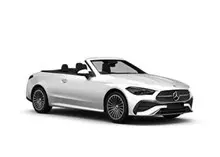
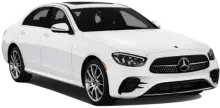
Choose the right car for your trip in Pittsburgh, United States and book in minutes. Compare trusted rental options, find great daily rates, and secure convenient airport pick-up for your travel dates.
Arriving at a new airport can be a little confusing, especially when it comes to renting a car. This page will help you navigate the process – from picking up the keys to understanding local traffic rules. We'll cover everything from choosing a car to insurance and potential costs.
Typically, most car rental offices are located in the arrivals area or near the airport terminals. Free shuttle buses are often provided for passenger convenience, running between the terminals and the office locations. Pay attention to the signs in the airport, as they usually clearly indicate where to go. At Pittsburgh International Airport, you will likely find representatives from companies such as Avis, Budget, Enterprise, Hertz, National, and Alamo.
The choice of car depends on your needs and budget. Here are a few popular options often available at Pittsburgh Airport:
| Car Class | Approximate Daily Cost (EUR) |
| Economy | 25 – 40 |
| Compact | 30 – 50 |
| Mid-Size | 40 – 60 |
| SUV | 60 – 90 |
| Premium | 80 – 150+ |
Please note that prices may vary depending on the season and availability.
To rent a car, you will need a valid driver's license (international if your national license is not accepted in the USA), a passport, and a credit card in the driver's name. The minimum age for rental is usually 21 or 25, but there may be additional fees for younger drivers. A deposit will likely be taken when you pick up the car, which will be returned after the car is returned in good condition. Make sure you understand the terms of the deposit return and any possible penalties.
When renting a car, you will be offered various types of insurance. CDW (Collision Damage Waiver) covers damage to the car as a result of a collision. Theft insurance protects against loss of the vehicle. Also, pay attention to insurance with a minimum excess, which covers part of the costs in case of damage or theft. Read the insurance terms carefully and ask the company representative what each policy covers.
In the United States, traffic is right-hand. The speed limit is usually 65-75 miles per hour on highways and 35-55 miles per hour in cities. Remember about toll roads – payment is usually made in cash or electronically. Parking may be paid, especially in cities, so pay attention to signs and rates.
Driver's license, passport, and a credit card in the driver's name.
Usually 21 or 25, but there may be additional fees for younger drivers.
Collision Damage Waiver.
If your national license is not accepted in the USA, then yes.
The deposit is blocked on your card and returned after the car is returned in good condition.
Yes, some roads are toll roads. Payment can be made in cash or electronically.
Immediately notify the rental company and fill out the necessary documents.
Usually no, you need to check with the rental company.
Follow the signs in the airport, there are usually clear markings.
Yes, but it usually involves an additional fee.
This is the amount you will pay out of pocket in case of damage or theft of the car.