Small cars

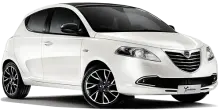
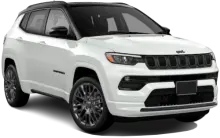
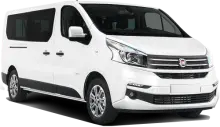

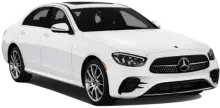
Choose the right car for your trip in Seoul, South Korea and book in minutes. Compare trusted rental options, find great daily rates, and secure convenient airport pick-up for your travel dates.
Arriving at Gimpo International Airport (GMP) in Seoul is a great start to your journey across South Korea. Renting a car will give you the freedom to explore the country at your own pace. This page will help you navigate the rental process, from choosing a car to the specifics of driving in Korea.
Most car rental companies have their desks directly in the Gimpo Airport arrival area. They are usually located in the main terminal, often with clear signage. You can find representatives from companies like Hertz, Avis, Budget, Sixt, and local operators. It is recommended to book your car online in advance to ensure the availability of your desired model and get a better price.
The choice of cars for rent at Gimpo is quite wide. Here are a few popular options:
| Car Class | Approximate Cost Per Day (EUR) |
| Economy | 25 – 40 |
| Compact | 35 – 50 |
| Mid-Size | 50 – 70 |
| SUV | 70 – 120 |
| Premium | 120+ |
Please note that prices may vary depending on the season and availability.
To rent a car in South Korea, you usually need the following documents: a valid driver's license (an international driving permit may be required depending on the country of issue of your license), a passport, and a credit card for the deposit. The minimum driver age is usually 21 years old, but some companies may set higher requirements. The deposit is blocked on your credit card and returned after returning the car undamaged. Make sure your card has sufficient funds for the deposit.
When renting a car, you will be offered various types of insurance. CDW (Collision Damage Waiver) covers damage to the car in the event of an accident. Theft insurance protects against loss of the vehicle. Pay attention to the excess amount – this is the amount you will have to pay yourself in case of damage or theft. Clarify with the company representative what types of insurance are included in the rental cost and whether you need additional coverage.
Driving in South Korea can be different from what you are used to. Remember the following: traffic is usually heavy, especially in cities. Toll roads are common, and payment is made using an electronic system or cash. Parking can be limited and expensive in large cities. Observe speed limits, which are usually 80-110 km/h on highways and 50-60 km/h in cities.
It depends on the country of issue of your license. Check the requirements in advance.
Usually credit cards and Korean won are accepted.
This is the amount you will pay yourself in case of damage to the car.
Usually this is prohibited, clarify the conditions with the company.
Payment is made electronically or in cash at checkpoints.
Yes, parking can be limited and expensive.
Immediately notify the rental company and the police.
Basic insurance is usually included, but additional insurance may be useful.
Usually a credit card is required for the deposit.
Follow the instructions of the rental company, usually there is a special return area at the airport.
Check the rental terms, some companies may limit mileage.