Small cars

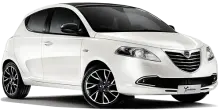
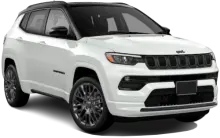
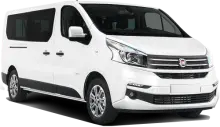


Choose the right car for your trip in Split, Croatia and book in minutes. Compare trusted rental options, find great daily rates, and secure convenient airport pick-up for your travel dates.
Car rental at Split Airport makes sense when a car actually simplifies the route through central Dalmatia, rather than just adding another booking to the trip. The best solution here depends not on the minimum daily rate, but on whether you plan to stay only in Split, or want to drive along the coast and between several bases, how much luggage you have, whether you are traveling as a family, and how important a quick pickup after arrival is to you, as well as clear insurance, the deposit amount, and a simple return before departure.
This page is designed as a practical guide for those who want to rent a car specifically at SPU and avoid overpaying for an unsuitable rental format. For many routes in Croatia, a car directly from the airport is the strongest option: especially if Split is not your only base, but an entry point for a coastal road trip, trips between resorts, or a route through central Dalmatia. However, for a short city visit without active travel, airport rental is not always necessary from the first hour.
Pickup at SPU is often justified if you arrive with luggage, are traveling as a family, plan to leave the city immediately after arrival, or do not want to spend time on a separate transfer and a second pickup in the center. This is especially convenient for routes where the car is the main logistics tool: for trips along the coast, between cities, and to beach locations.
Airport rental is also strong for early return flights. In such a case, not only the price matters, but also the predictability of the last day: returning the car near the terminal is usually easier and more peaceful than returning separately from the city or a resort.
On the other hand, if you spend the first few days only in Split itself and do not plan active excursions, it is worth honestly assessing whether it is better to postpone the rental.
A car that simply stands by the hotel quickly stops being profitable.
The choice between the airport and rental closer to the city depends on the structure of the route. If you want to start moving through the region immediately after arrival or live outside the old town, pickup at SPU is usually more logical: fewer connections, a faster start, and simpler planning. If the first few days pass without a need for a car, sometimes a stronger solution is to shorten the rental period.
A practical rule is simple: the more active trips along the coast you have, the more effective rental directly at the airport is.
For most couples and solo travelers, a compact car is sufficient if the route is not overloaded with suitcases and does not involve a large amount of gear. The compact format often provides the best balance between price, fuel consumption, and parking convenience.
For a family, a beach route with luggage, or several transfers between bases, it is worth looking not only at the starting rate, but also at trunk capacity and comfort during daily trips. On the Croatian coast, a car is often used actively, so a class that is too small quickly stops being practical.
Before booking, check the deposit amount, insurance terms, fuel policy, credit card requirements, rules for a second driver, and the return procedure. For airport rental, it is especially important to understand exactly how the pickup process works, how much time is needed for pickup after arrival, and how easy it is to return the car before departure.
It is also worth looking beyond the base price. The cheapest offer easily stops being profitable if expensive surcharges, weak coverage, or inconvenient deposit terms are added separately.
The most common mistake is booking a car automatically for the entire vacation without correlating it with the actual route. If a car is only needed for a few separate trips, it is sometimes better to adjust the rental period rather than overpay for idle time, parking, and additional risks.
The second mistake is looking only at the daily price. For central Dalmatia, not only the search figures matter, but also the car class, insurance, deposit, pickup/return logistics, and daily route comfort. A cheaper option easily becomes a weaker solution if it adds stress on the return day or inconvenience throughout the trip.
Sometimes a more expensive option is the better solution: if it provides clearer insurance terms, lower risk regarding the deposit, fits the luggage better, or offers a simpler pickup and return. This is especially important for families, coastal routes, early flights, and trips where the car is a key part of the logistics.
In such a scenario, the winner is not the minimum rate, but predictability, comfort, and a lower risk of ruining the pace of the entire trip.
| Scenario | Is it worth taking a car at SPU | What to check first | Who it is suitable for |
|---|---|---|---|
| Active coastal route | Yes, often the most convenient option | Deposit, insurance, car class, trunk | Couples, families, and road-trip formats |
| Short visit to Split | Not always, if the car is idle | Whether a car is needed from day one | City format without active travel |
| Early return flight | Often yes, due to easier return | Return procedure and time to airport | Those who want to minimize logistics |
| Family trip with luggage | Yes, if you plan to travel actively | Comfort, capacity, and insurance terms | Families and travelers with suitcases |
Driver's license, passport and credit card in the driver's name.
Usually 21, but some companies require 23 or 25.
This is the amount you will pay yourself in case of damage or theft of the car.
It depends on the country of issue of your license. It is better to have it with you.
Payment is made in cash or by card at toll booths.
Most companies require a credit card for the deposit.
Immediately notify the rental company and fill out a damage report.
Usually yes, but you need to inform the rental company in advance.
On highways – 130 km/h, in populated areas – 50 km/h.
Yes, the rental price usually includes VAT.
Collision Damage Waiver insurance, which covers damage to the car.
Definitely! Carefully inspect the body for damage and record it in the report.