Small cars
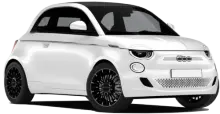
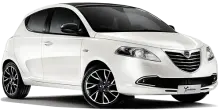
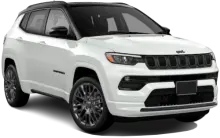
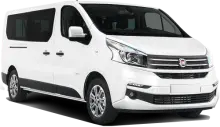
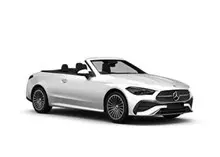
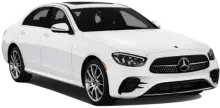
Choose the right car for your trip in Phuket, Thailand and book in minutes. Compare trusted rental options, find great daily rates, and secure convenient airport pick-up for your travel dates.
Arriving at Phuket Airport is a great start to your journey through Thailand. Renting a car will give you the freedom to explore the island at your own pace. This page will help you navigate the rental process, from choosing a car to understanding local driving conditions, to make your trip as comfortable as possible.
Most car rental companies have counters directly in the Phuket Airport arrival area. They are usually located in the main terminal, near the baggage claim area. You can find representatives from major international companies, as well as local operators. After collecting your luggage, simply proceed to the car rental area where company representatives will assist you with the documentation.
The choice of cars in Phuket is quite wide. Here are a few popular options that are usually available:
| Economy | 20 – 30 EUR |
| Compact | 25 – 40 EUR |
| Mid-Size | 35 – 50 EUR |
| SUV | 50 – 80 EUR |
| Minivan | 60 – 100 EUR |
| Premium | 80+ EUR |
Please note that prices may vary depending on the season and car availability.
To rent a car in Thailand, you usually need the following documents: a valid driver's license (an international driving permit is recommended, although a national license is often sufficient), a passport, and a credit card for the deposit. The minimum driver age is usually 21 years old, but some companies may require 23 or 25 years. The deposit amount depends on the chosen car and insurance coverage, but usually ranges from 300 to 1000 EUR. Make sure your credit card has sufficient funds to block the deposit.
When renting a car, you will be offered various types of insurance. CDW (Collision Damage Waiver) covers damage to the car resulting from a collision. Theft insurance protects against vehicle loss. It is important to pay attention to the excess amount – this is the amount you will have to pay yourself in case of damage or theft. Ask the company representative about the possibility of reducing the excess for an additional fee. Carefully read the insurance terms before signing the contract.
Driving in Thailand has its own characteristics. Traffic is usually heavy, especially in large cities. Be careful of motorcycles and scooters, which often maneuver in dense traffic. Some roads have toll sections (toll roads), where payment is made in cash. Parking can be a problem in popular tourist destinations, so be prepared to search for a spot or pay for parking. The speed limit is usually 90 km/h on highways and 50 km/h in cities.
It is recommended to have an international driver's license, but often a national license is sufficient.
Payment is usually made in euros (EUR) or the local currency – Thai baht (THB).
The excess is the amount you will pay yourself in case of damage or theft of the car.
Usually crossing the border with a rented car is prohibited. Clarify this issue with the rental company.
Payment on toll roads is made in cash at the checkpoints.
Parking may be limited in popular tourist destinations, be prepared to search or pay.
Immediately notify the rental company and the police. Obtain a copy of the police report.
Most companies require a credit card for the deposit.
Both international and local car rental companies are represented at the airport.
Usually the rental price is indicated without VAT, which is added upon payment.
Yes, but this usually involves an additional fee.